Freight dimensioning: dimensions, volume and weight, automatically
What automated freight dimensioning does in receiving, the warehouse, cross-docking and shipping
Request a demoFreight dimensioning captures the length, width and height of a shipment automatically, plus the weight when a scale is connected, and a photo. It is often also called volume measurement or dimensioning. MetriXFreight by metrilus is a camera-based system for this: it measures parcels, pallets, long goods and single items in around 200 milliseconds and without moving parts.
You need it wherever dimensions determine cost or space. What the measurement has to deliver depends on where it is installed: in receiving, in the warehouse, at the cross-dock or in shipping. The overview shows which system fits which application.
Why accurate dimensions pay off
Freight is charged not only by weight but also by the space it takes up. Carriers convert the volume into a volumetric weight and charge the higher of the two values.
In air freight, length × width × height in centimeters, divided by 6000, gives the volumetric weight in kilograms. Road carriers and parcel carriers set their own divisors in their tariffs, and groupage (LTL) freight is often charged by loading meter. You can find the formula, the divisors and a calculator on the page Calculate volumetric weight.
An example: a pallet of 120 × 80 × 160 cm has a volumetric weight of 256 kilograms in air freight. If it is actually 10 cm taller, that makes 272 kilograms. Such deviations happen quickly when dimensions are estimated or measured by hand. If the values are too low, you give away margin as a carrier or pay back charges as a shipper. If they are too high, you pay too much or face complaints.
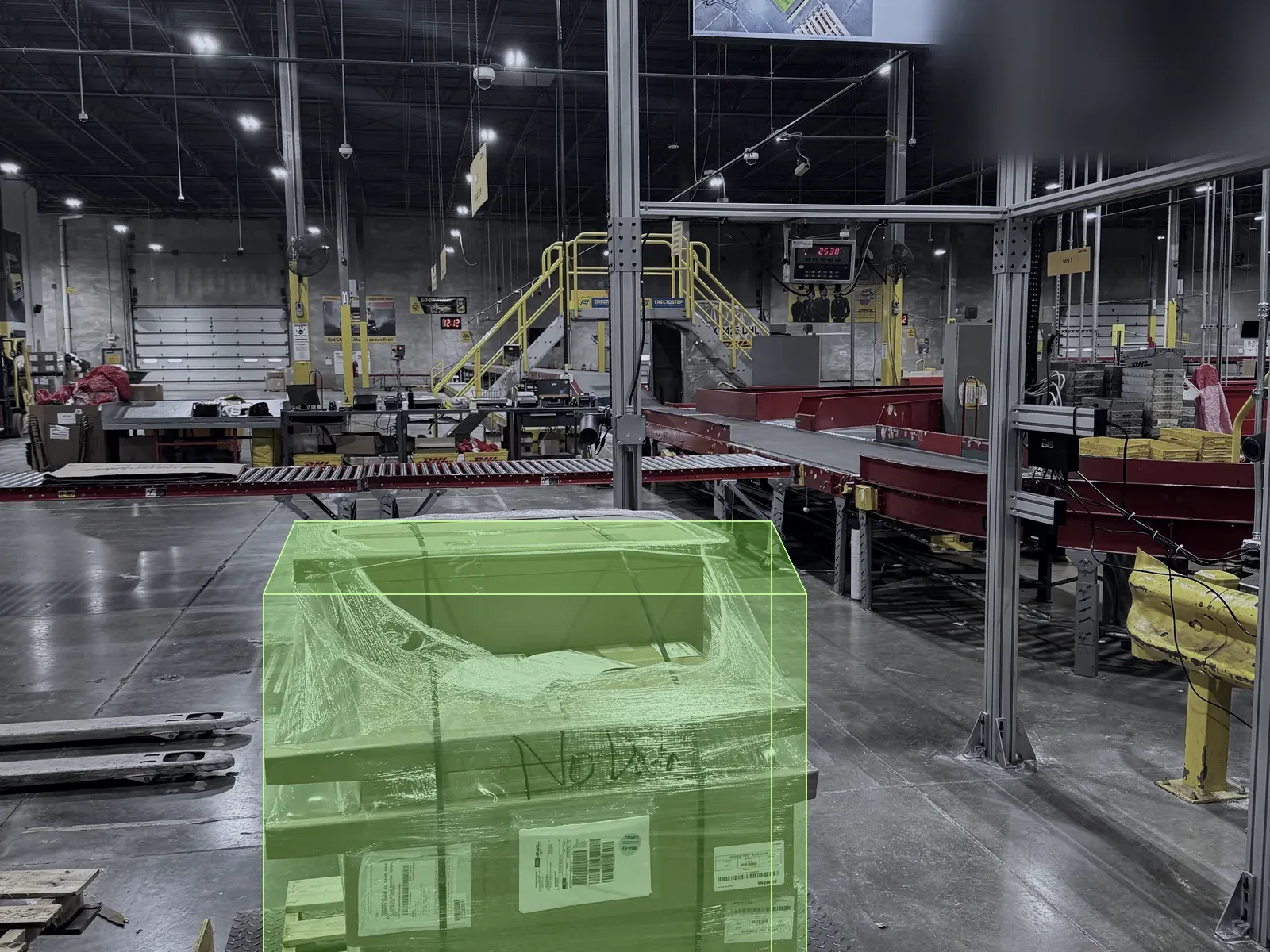
Receiving: real dimensions from receipt onward
Receiving is where the data your warehouse works with is set. The figures in the advance shipping notice (ASN) can differ from the goods delivered, and new items usually have no dimensions yet.
- Check shipments: Dimensions and photo are captured when the shipment is set down or scanned, plus the weight when a scale is connected. That lets you settle deviations from the ASN right at receipt, and the photo shows the condition of the goods.
- Create master data: You place new items on the S140 without aligning them. Length, width, height, weight and photo go into the item master via the interface or as a file.
- Pass data on: The values are in the WMS or ERP before the goods are put away.
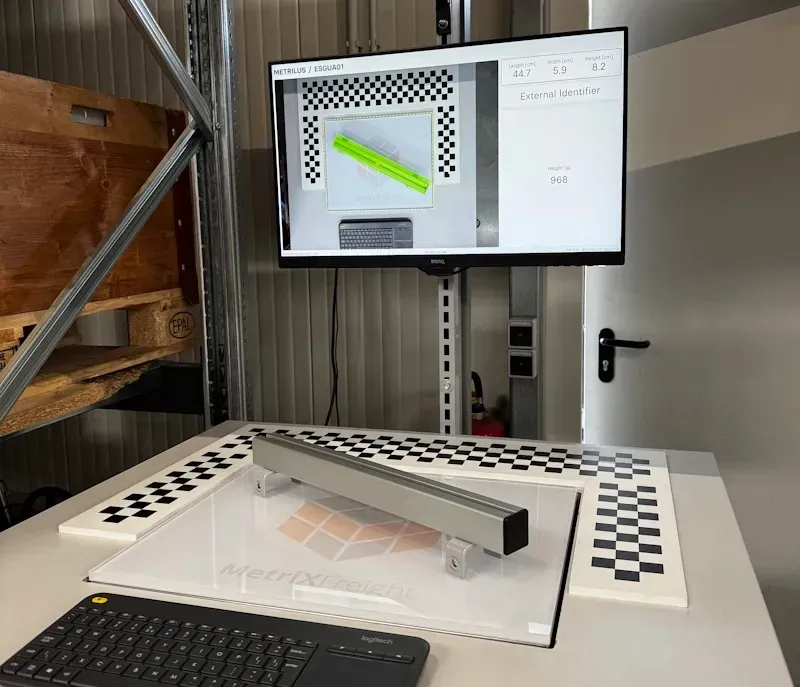
Warehouse: plan space with reliable master data
Many warehouse management systems check at putaway whether an item fits the storage location by weight and volume. That only works if the master data is right. If it is missing or estimated, locations stay half empty or the goods do not fit the slot.
- Assign storage locations: With measured dimensions the WMS can assign every item a location of the right size.
- Choose packaging: If you know the dimensions of every item, you can pick the matching carton instead of shipping air.
- Capture existing stock: You capture items without dimensions gradually on the S140, cartons on the L13x, long goods on the L63x.
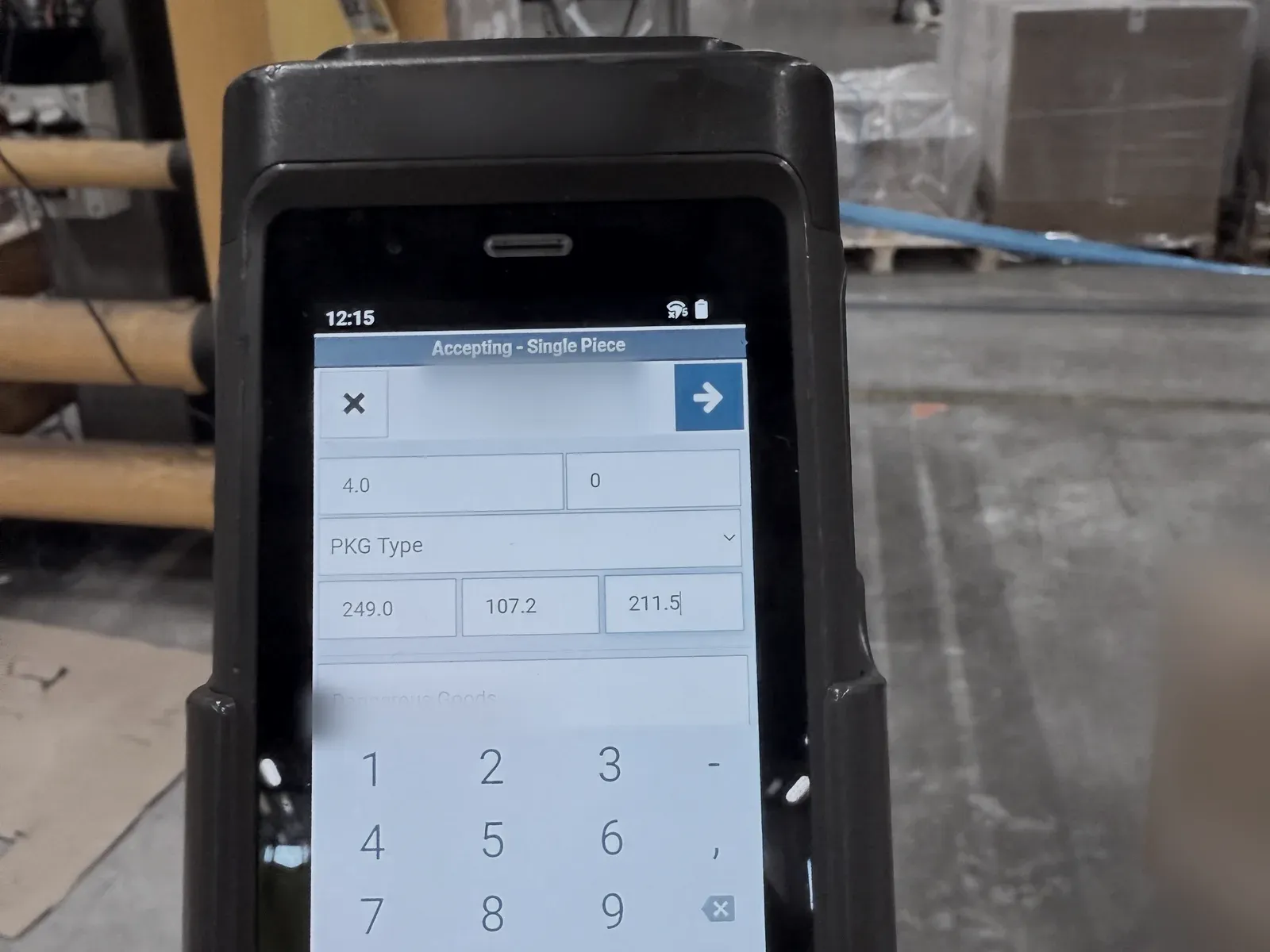
Cross-docking: measure every shipment where it already stops
At the cross-dock, shipments from many shippers come together and move on after a short time. What the shipper declared determines the invoice and the load plan. Many carriers therefore re-measure and correct the invoice when the figures are wrong.
- Re-measure: The measuring station is placed where the pallet is set down in any case. Dimensions and up to four photos are captured during the brief stop, plus the weight with a floor or forklift scale. Depending on the process, you measure 300 to 600 pallets per hour this way, scan included.
- Billing: If you bill by measured dimensions, you generally need legal-for-trade values. That is what the legal-for-trade variants are for.
- Plan cargo space: You calculate loading meters from measured instead of declared dimensions. The optional NSP Detection module also detects whether a pallet is stackable.
- The right system: The L23x measures pallets and bulky goods, the L33x pallets wrapped in black or glossy foil.
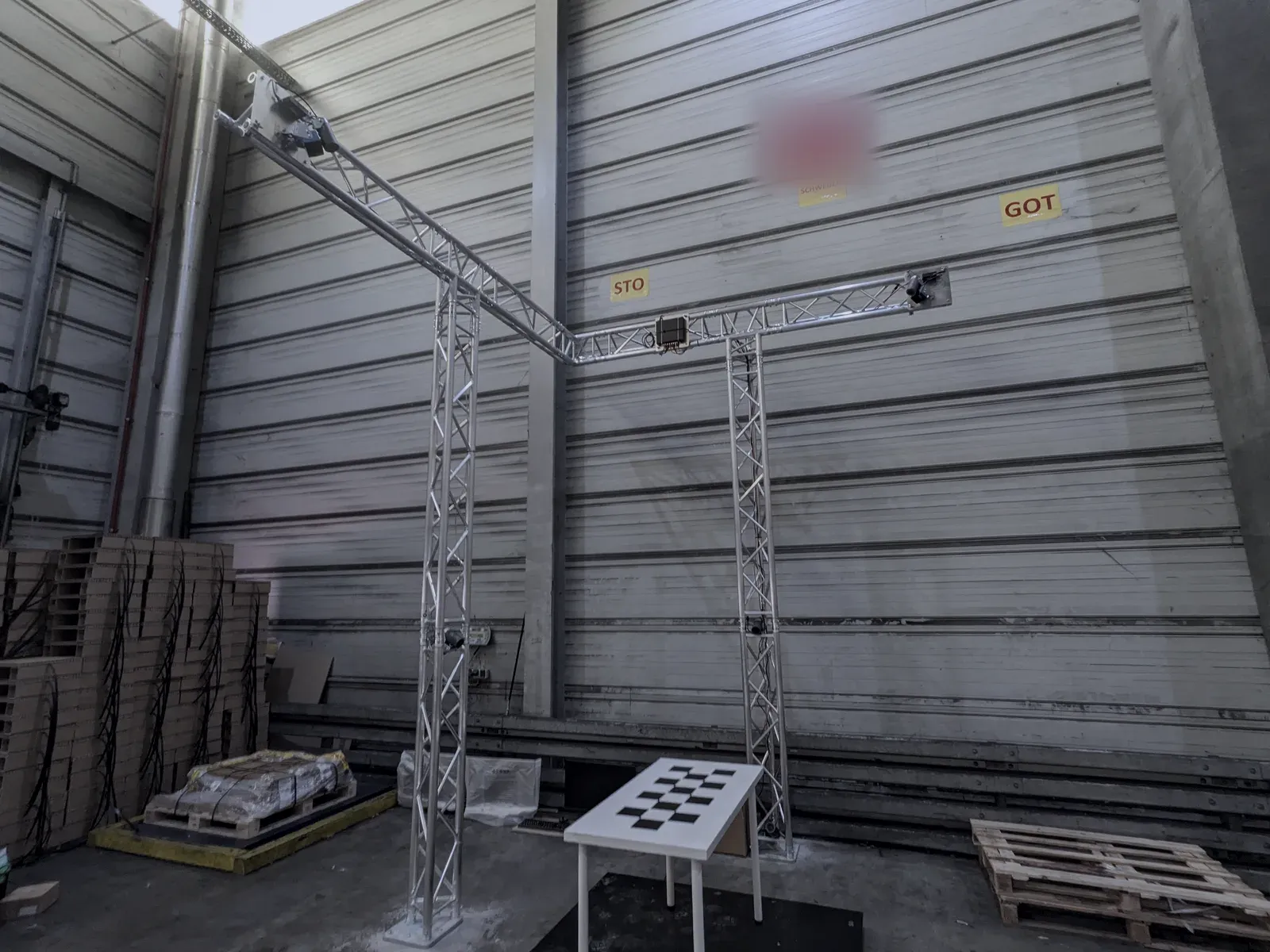
Shipping: know the freight cost before the truck arrives
As a shipper you declare dimensions and weight. If the carrier later measures different values, a back charge follows, and without your own proof it is hard to dispute.
- Know your freight cost: You know the volumetric weight of every shipment before it leaves the building and declare it with the measured values.
- Secure proof: Measured values and photo are stored with the shipment. If there is a claim, you can show what you handed over and in what condition.
- Parcels: The L13x measures every parcel during the brief stop at scanning, optionally with a scale in the roller conveyor. Depending on the feed, you measure up to 1200 parcels per hour this way, scan included.
- Pallets and bulky goods: The L23x is freestanding in the shipping area or mounted above the pallet wrapper and measures as soon as the pallet comes to rest.
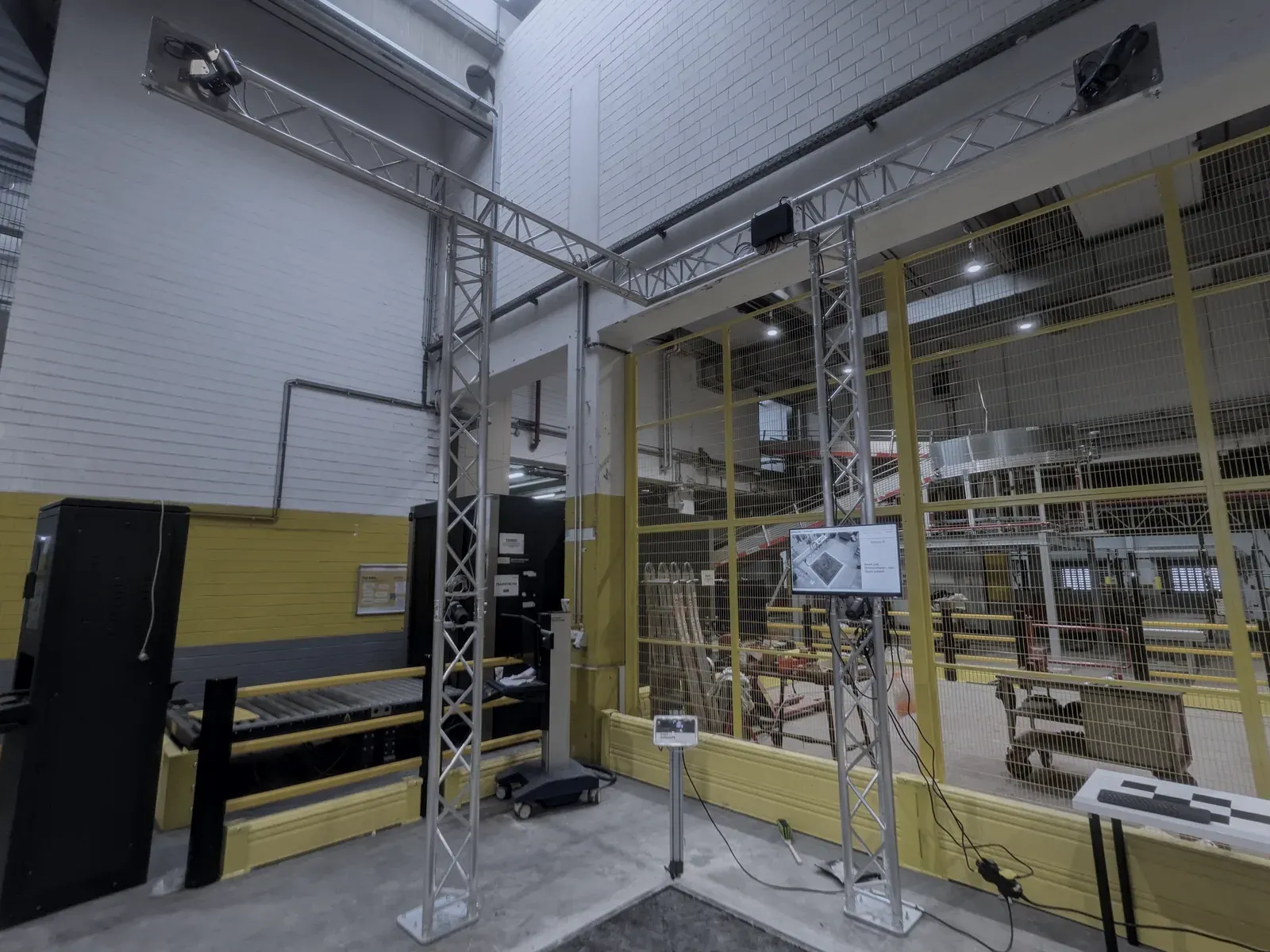
Which system for which application
| Application | Typical freight | What is measured | Matching system |
|---|---|---|---|
| Receiving | Items, cartons, pallets | Dimensions, weight and photo for master data and receipt | S140, L13x, L23x |
| Warehouse | Items and cartons, long goods | Dimensions and weight for storage location and packaging | S140, L13x, L63x |
| Cross-docking | Pallets, bulky goods, foil-wrapped goods | Dimensions, weight and photos for billing and load planning, optionally stackability | L23x, L33x |
| Shipping | Parcels, pallets, long goods | Dimensions, weight and photo as proof for freight billing | L13x, L23x, L63x |
The weight always comes from a connected scale. The L23x captures pallets and bulky goods up to 260 × 260 × 260 cm, the L63x long goods up to 6.5 meters. You can see all product lines side by side in the overview of solutions.
MetriXFreight S140
Missing or wrong article master data slows down your WMS. With the S140 you capture dimensions, weight, photo and barcode in one step, with less than 5 mm mean deviation. Your warehouse planning runs on data you can trust.
Explore master data capture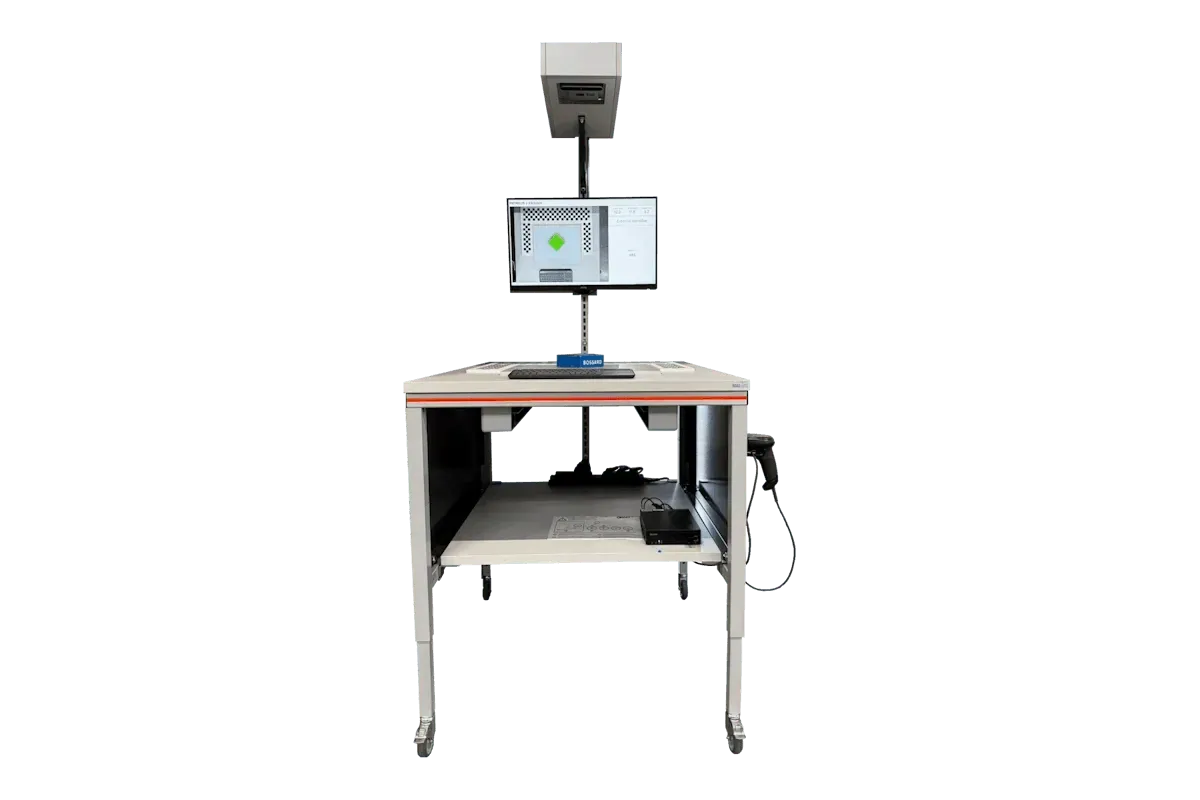
MetriXFreight L13x
Tape measures and estimates cannot keep pace in a parcel process. The L13x product line measures each parcel in around 200 milliseconds and handles up to 1200 parcels per hour including scanning. Your process sets the pace, not the measurement.
Explore parcel dimensioning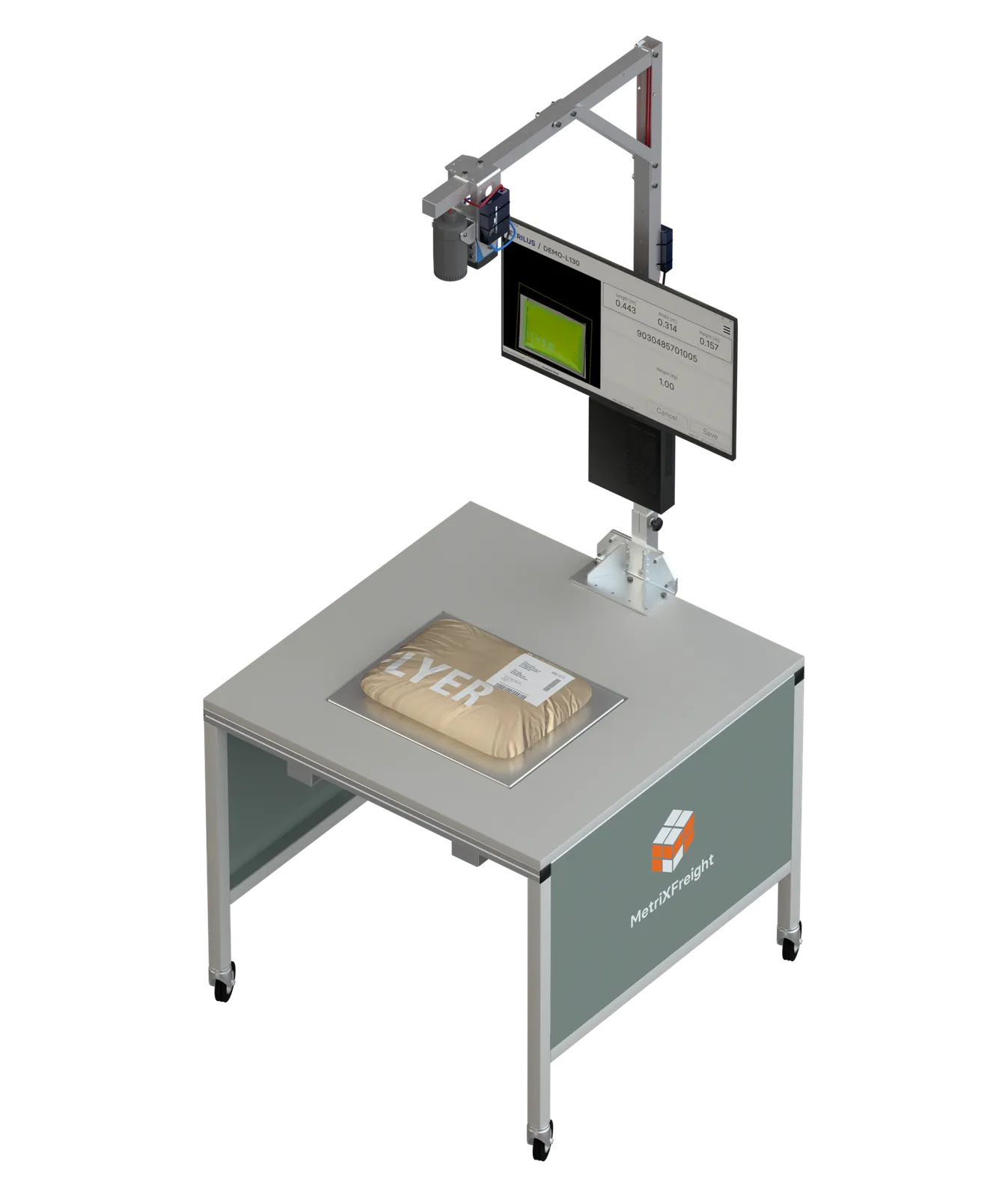
MetriXFreight L23x
In air and road freight you pay by volumetric weight, and estimated pallet dimensions cost margin. With the L23x you dimension pallets and bulky goods inside the running process, legal-for-trade as L235 under OIML with EU type examination and NTEP. Pallets wrapped in black foil are covered by the L33x product line.
Explore pallet dimensioning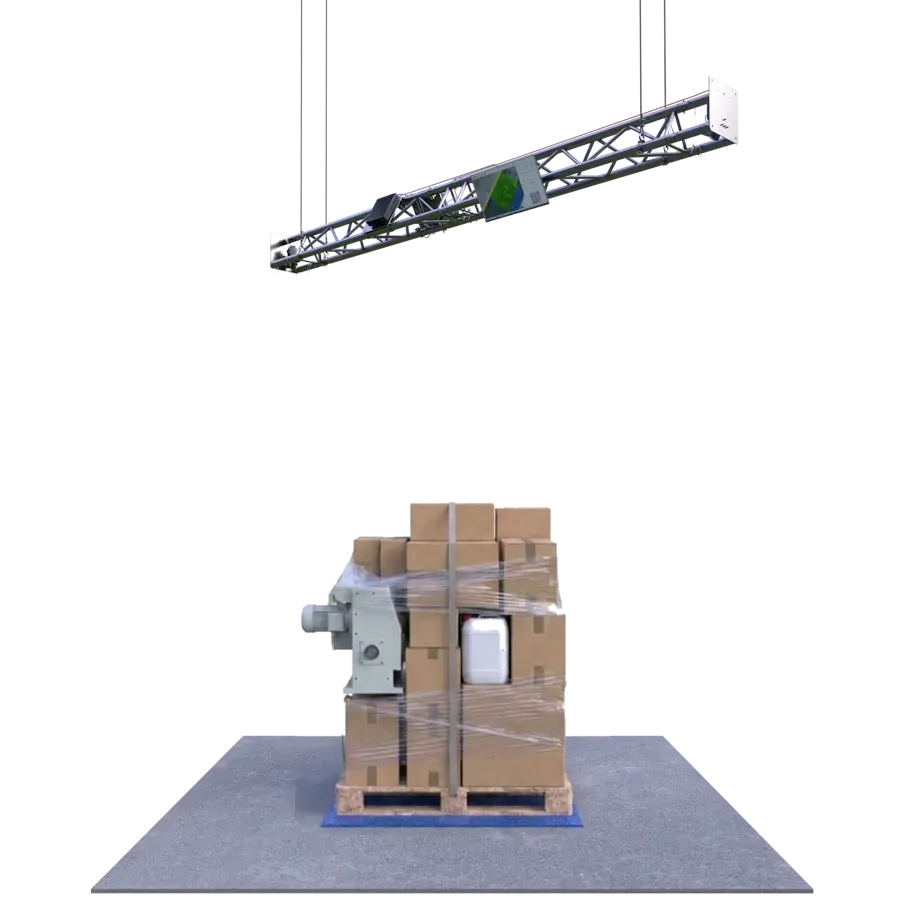 AI-generated
MetriXFreight L33x
Black and glossy foil push many optical measurements to their limits, and then it is back to the tape measure. The L33x dimensions exactly these pallets automatically, with three 3D sensors in around 200 milliseconds. Your hardest freight no longer needs a detour.
Explore black-foil pallet dimensioning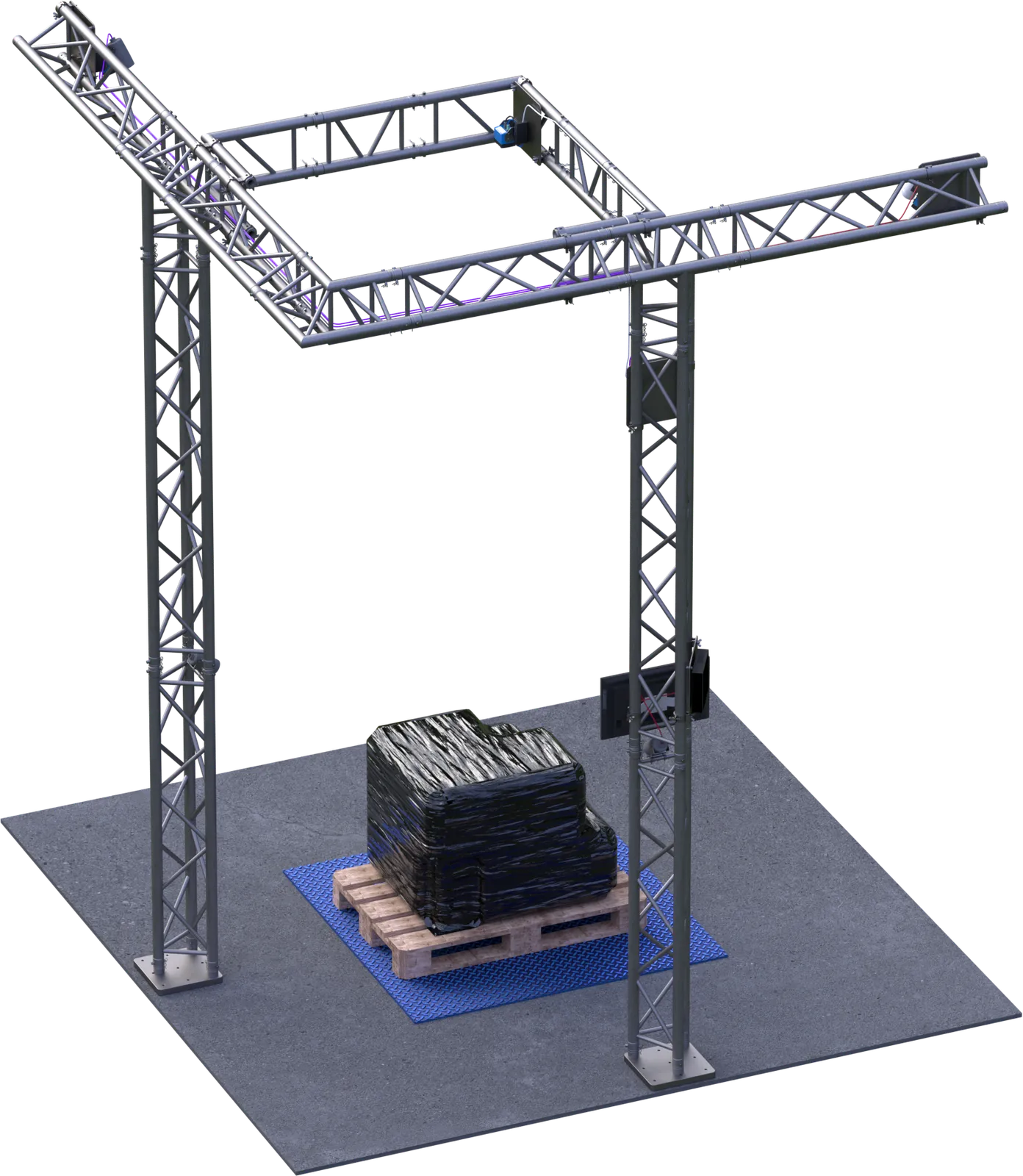
MetriXFreight L63x
Profiles, pipes and long crates are often still measured by hand because no standard system fits them. The L63x dimensions objects up to 650 × 260 × 260 cm in a single pass with six 3D sensors. That gives your long goods reliable dimensions for planning and billing.
Explore long goods measurement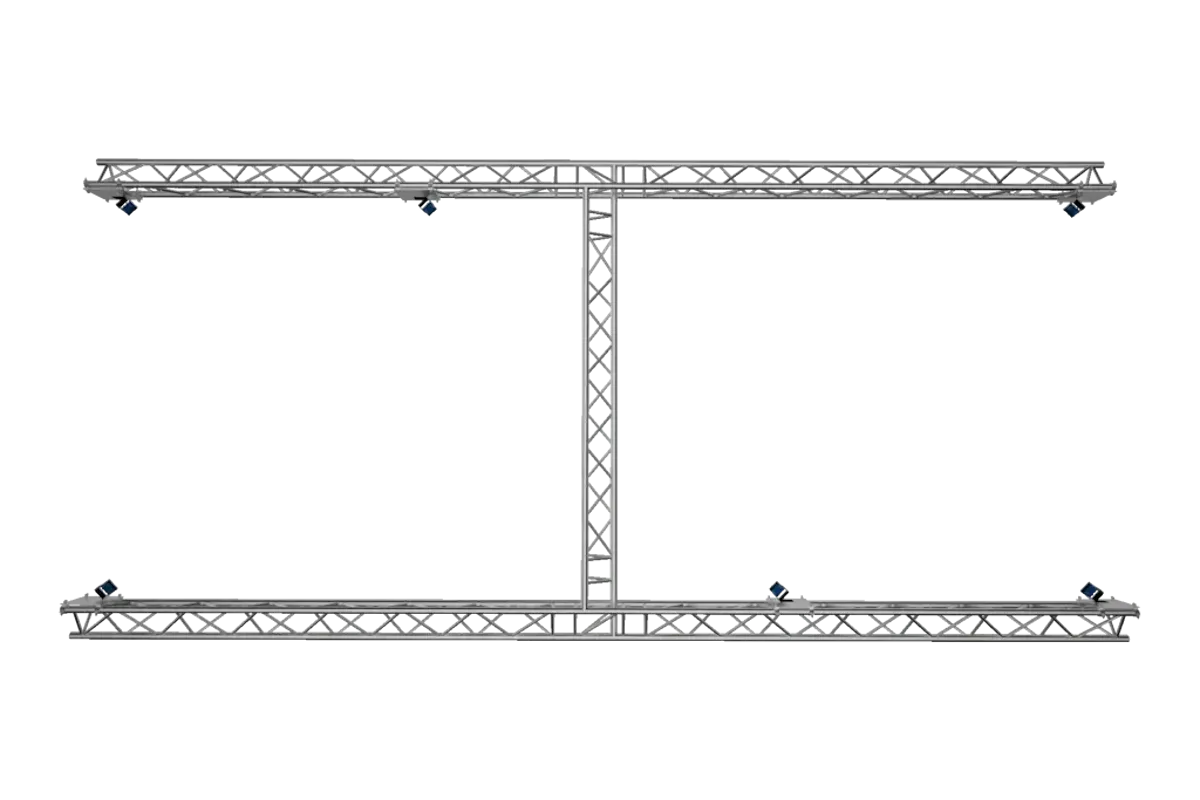
How the measurement works
3D sensors capture the shipment during a brief stop, when it is set down or scanned. You do not need an additional stop for this. The measurement itself takes around 200 milliseconds.
All systems measure statically and have no moving parts, so there is no mechanical maintenance.

Where the measurement data goes
The measurement is triggered automatically, by barcode scan or via the REST API. The results go into your WMS, TMS or ERP in real time via REST API, as a file in CSV, XLSX or PDF, or as a QR code right at the system.
The interface is the same on all product lines. You can read more on the page about the MetriXFreight platform.
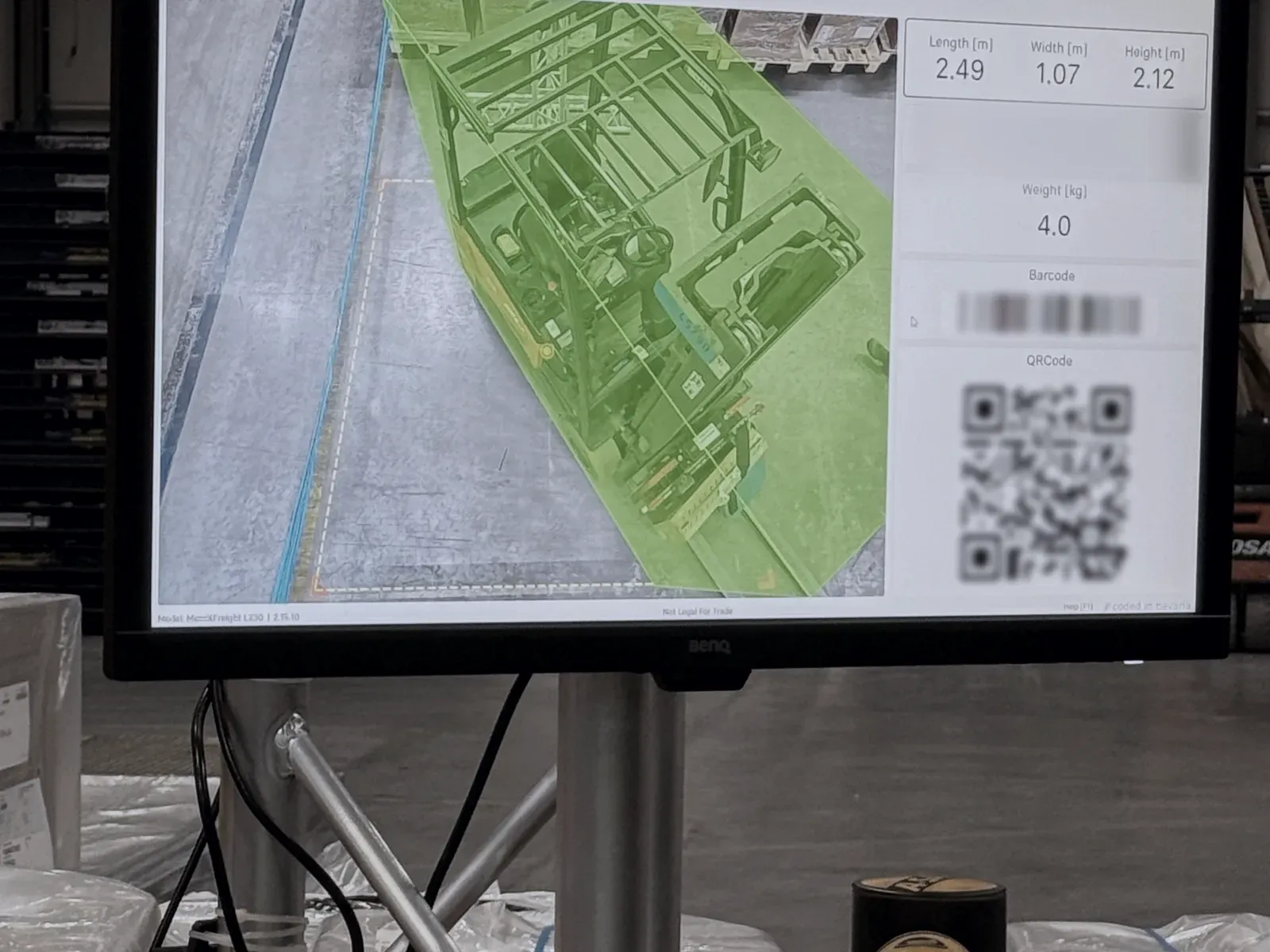
What does legal-for-trade mean?
Legal-for-trade means that an independent body has examined the type of the measuring system and confirmed that it meets the legal requirements for measuring instruments used for billing. You generally need legal-for-trade values when you bill by dimensions or volumetric weight. For a binding answer, ask your weights and measures (verification) authority.
The variants L135, L235, L335 and L635 are legal-for-trade under OIML with EU type examination. L135, L235 and L335 are additionally NTEP-certified for the US market. The weight comes from a scale, which has to meet the requirements itself. You can find the certificates and certified measuring ranges on the page Legal-for-trade volume measurement.
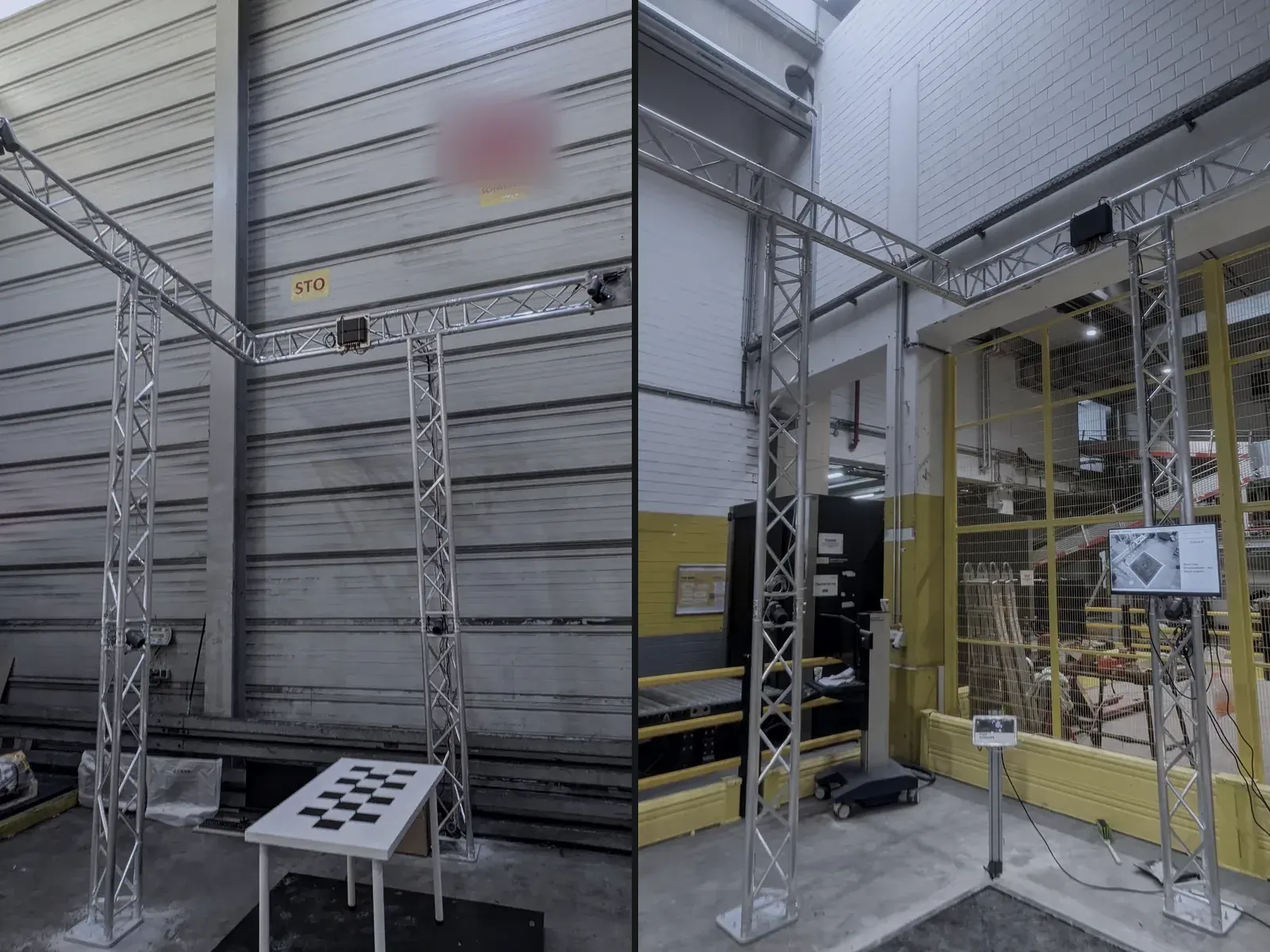
Frequently asked questions about freight dimensioning
How accurate is automated freight dimensioning?
The legal-for-trade variants work under OIML: the L135 achieves ±1 cm in length and width and ±0.5 cm in height, the pallet systems L235 and L335 ±2 cm and ±1 cm. The S140 measures items with less than 5 mm mean deviation.
How is volumetric weight calculated?
Length times width times height gives the volume, and a conversion factor turns it into kilograms. In air freight the volume in cubic centimeters is divided by 6000. The higher value of actual weight and volumetric weight is charged. Road carriers and parcel services set their own divisors in their tariffs.
Does the shipment have to stop for the measurement?
The measurement happens during the brief stop that occurs in any case: when the pallet is set down or the barcode is scanned. A separate measuring stop is not needed. The measurement takes around 200 milliseconds.
Where is the best place for a measuring system?
Where wrong dimensions cost the most. If you pay for freight, you measure in shipping to declare the right values. If you bill freight, you measure at the cross-dock. If you plan storage locations and packaging, you measure as early as receiving, so that the master data in the warehouse is right from the start.
What does re-measuring in cross-docking mean?
At the cross-dock the carrier re-measures shipments whose dimensions and weight the shipper declared. If the values differ, the freight is recalculated. A measuring station where the pallet is set down captures dimensions and photos during the brief stop, plus the weight with a scale.
What does freight dimensioning do for the warehouse?
Measured master data. With the length, width, height and weight of every item, the warehouse management system can assign fitting storage locations, and you choose the packaging by dimensions instead of by feel.
What is a DWS system?
DWS stands for dimensioning, weighing, scanning: one system captures dimensions, weight and barcode in a single step. A photo additionally documents the condition of the shipment. That eliminates manual entry and the errors that come with it.
Who uses MetriXFreight?
Logistics providers and industrial companies such as DHL, Schenker, Maersk, DSV, Bosch and Emons. metrilus has been developing the platform since 2010 in Uttenreuth near Erlangen.
You can find more answers on throughput, installation, operation and service in the frequently asked questions.