Freight dimensioning knowledge
Basics, simulations and answers on dimensions, volume and weight
Request a demoThis is where you find what you need to know about automated freight dimensioning. Read up on the topics that concern you and try the simulations with your own figures.
Start here
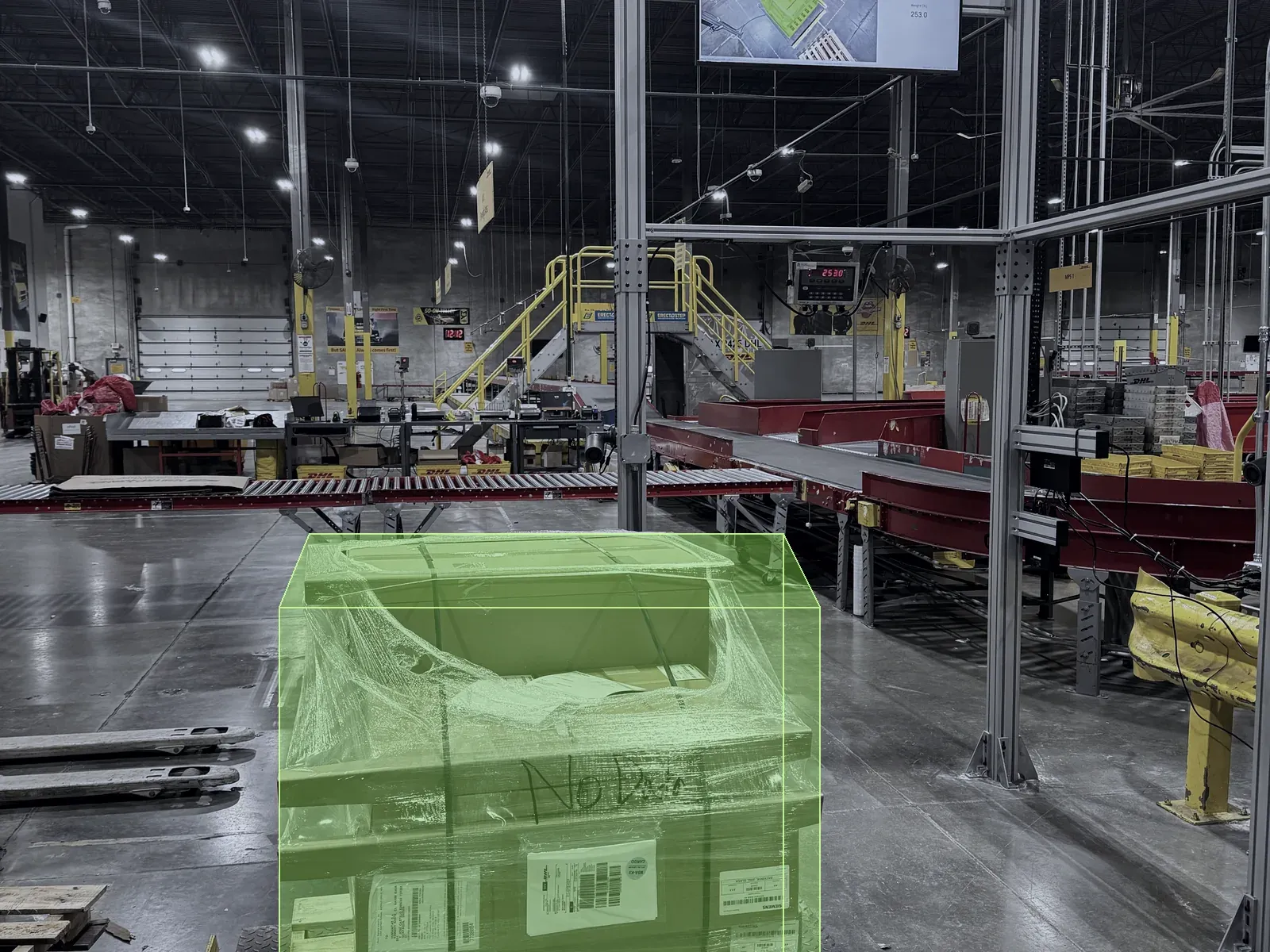
Go deeper
The topics that decide billing and planning.
-
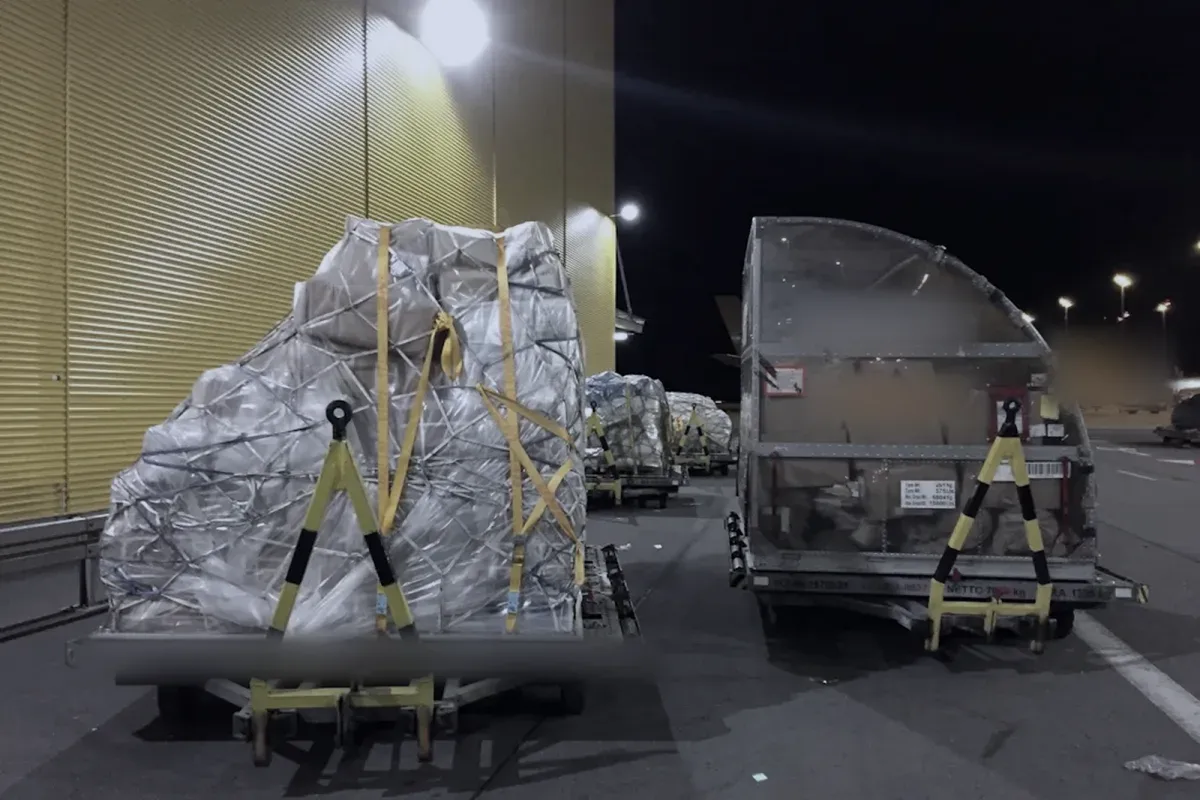
Calculate volumetric weight: formula, divisors and calculator
How to calculate the volumetric (dimensional) weight of a shipment: formula, divisors for air and sea freight, a worked example and a calculator for pallets and parcels.
-
 AI-generated
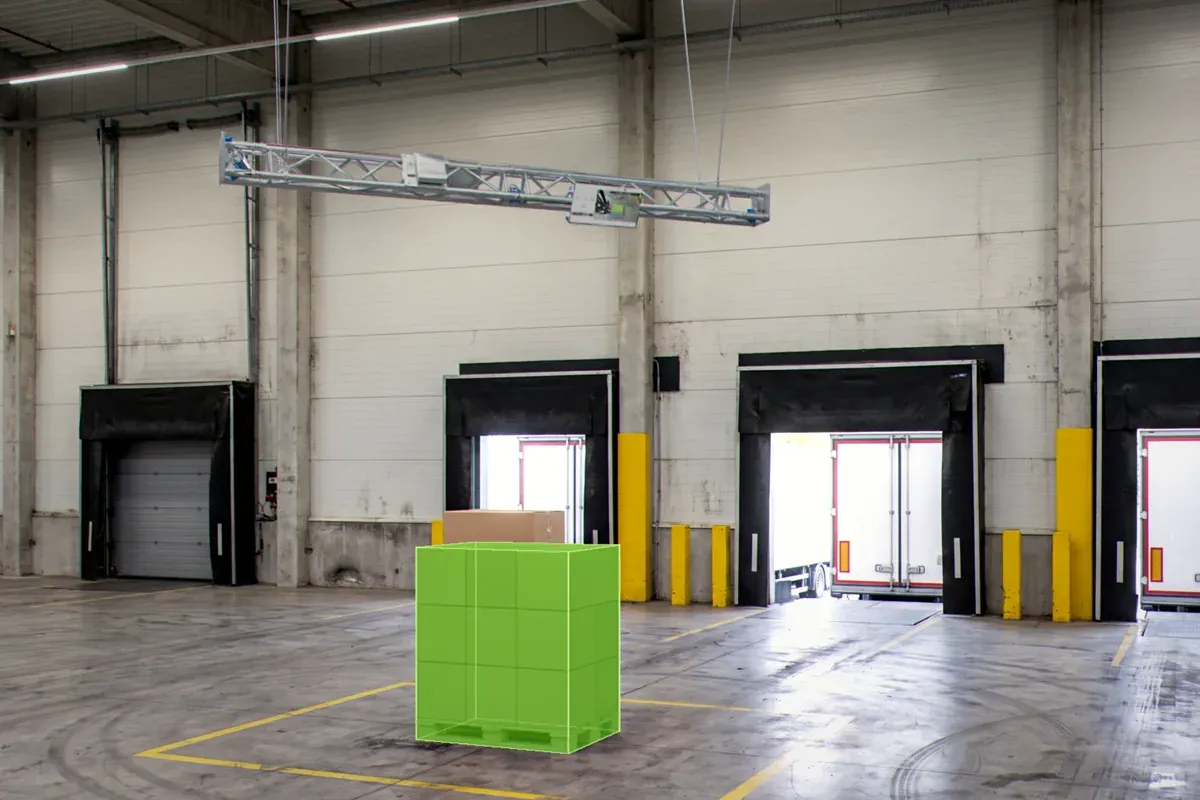
Calculate loading meters: formula, Euro pallet and calculator
How to calculate loading meters: formula, loading meters of a Euro pallet, loading length of articulated trucks and rigid trucks, stackability and a calculator with weight conversion.
-
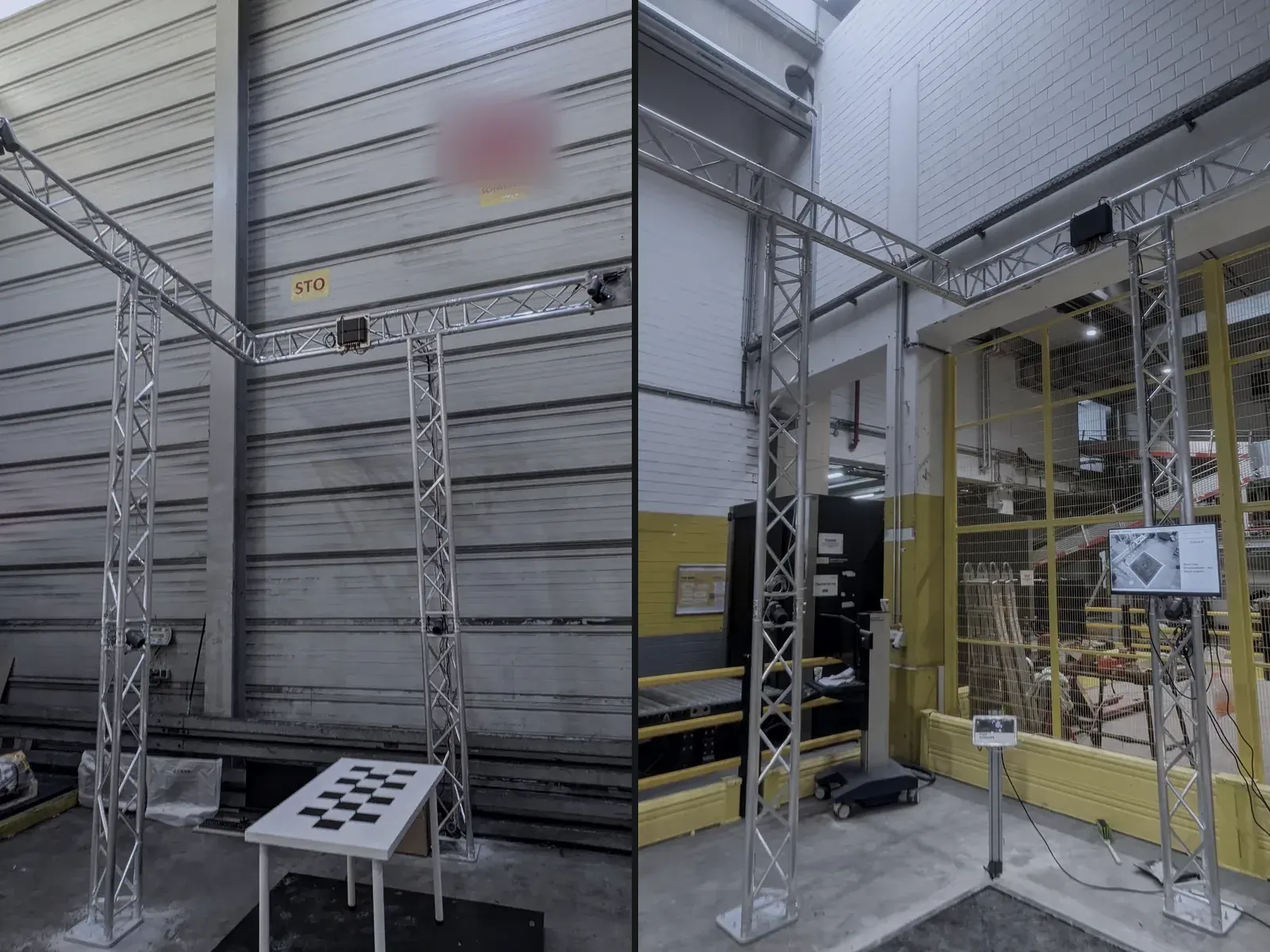
Legal-for-trade volume measurement: approval, measuring range and certificates
What legal-for-trade volume measurement means, which MetriXFreight variants are approved under MID and OIML, their certified measuring range and the certificates as PDF.
Try it out
Simulations where you set volumes, distances and times yourself.
-
Static or dynamic dimensioning: measure standing still or driving through?
Static and dynamic pallet dimensioning compared: how the methods differ, when each one fits, and a cross-dock simulation to check the numbers.
-
Static pallet dimensioning: what the stop costs
Simulation of an evening in a cross-dock. MetriXFreight measuring stations compared with a system where the forklift pulls the forks out and leaves the measuring field.
-
Parcel station: what the measuring cycle costs
Simulation of a manual parcel measuring station. The MetriXFreight L13x compared with a measuring system that needs a longer measuring cycle.
Further reading
Articles on technology, benefits and planning.
Frequently asked questions
What is freight dimensioning?
Freight dimensioning captures the length, width, height and weight of your shipments automatically. Our systems measure camera-based in around 200 milliseconds, during the brief standstill when you set down or scan the item, with no additional stop. That is why you bill by real dimensions instead of estimates.
Why does automated dimensioning pay off?
In air and road freight you pay by volumetric weight, the space a shipment occupies. Estimating or measuring by hand wastes margin and risks carrier back-charges. With automatically captured dimensions you bill reliably and plan your cargo space with real data.
How accurate are the measurements?
The S140 measures with less than 5 mm mean deviation. The legal-for-trade variants work under OIML: the L135 achieves ±1 cm in length and width and ±0.5 cm in height, the pallet systems L235 and L335 ±2 cm and ±1 cm.
What does legal-for-trade mean?
Legal-for-trade means the design has been examined by an independent body and approved for measurements used in billing, for example for volumetric weight. The basis is the EU type-examination certificate under MID and the OIML certificate. Your own obligations as a user are something to clarify with your national metrology authority.
How does the data reach my WMS, TMS or ERP?
Via REST API in real time, as a file in CSV, XLSX or PDF, or as a QR code directly at the system. Triggering happens automatically, by barcode scan or through the API. Our onboarding team supports you with the connection.